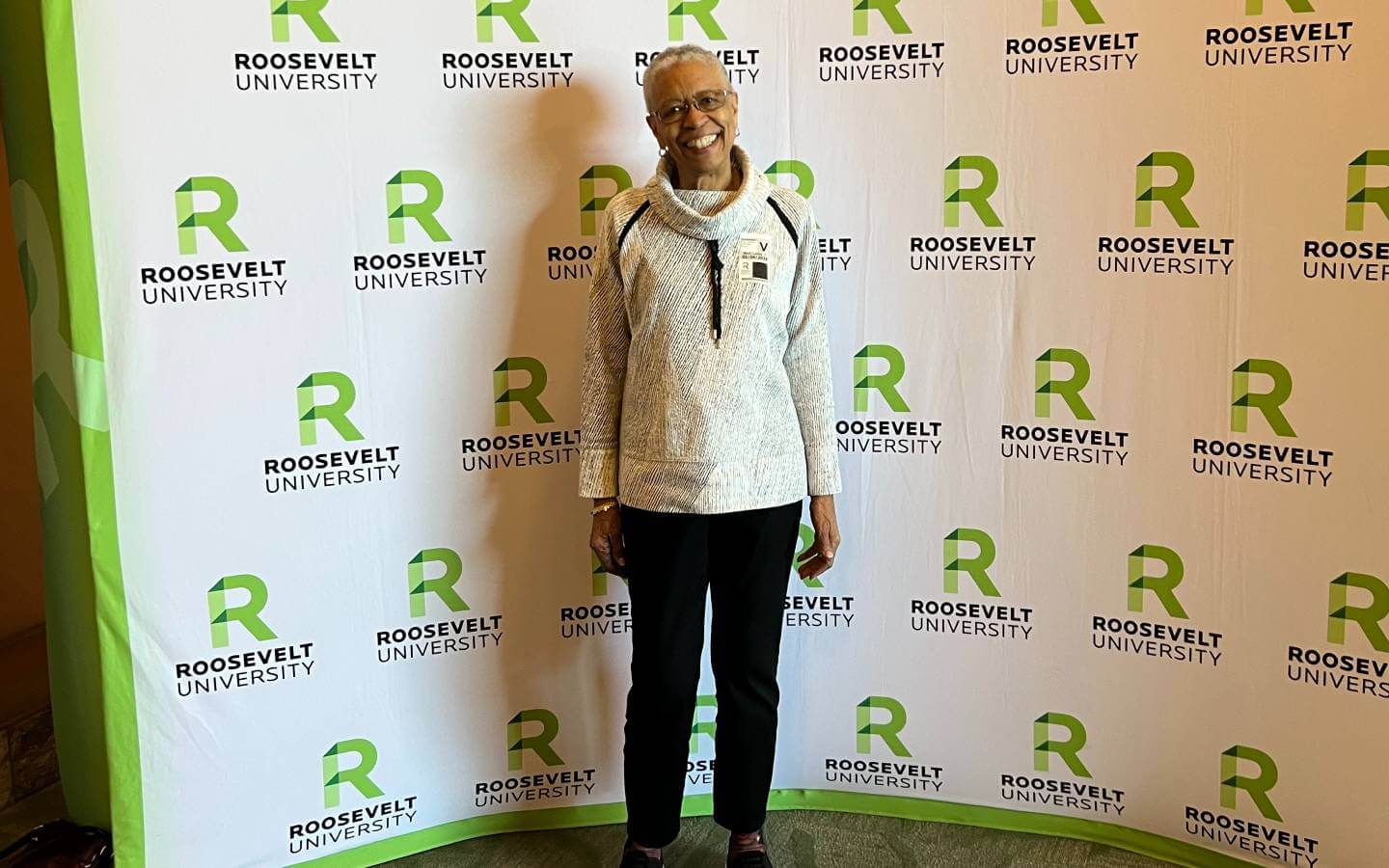
When Sandra Boyd, nee Evans, (BA Mathematics, ’63) walked the halls of Roosevelt University during her recent campus visit, memories of her time as a student in the early 1960s came rushing back. A Chicago native, Boyd first attended the University of Illinois at Navy Pier before transferring to Roosevelt. Although she once dreamed of studying downstate, her parents encouraged her to stay in the city. Looking back, Boyd calls their decision wise: “They were absolutely right. They insisted I go in town—and I’m glad I did.”
Roosevelt’s location in the heart of Chicago gave her an unparalleled academic and cultural experience. She recalled her Psychology class in a classroom overlooking the city, where a professor staged a dramatic interruption as part of a lesson on perception. “The point was that we all see something different. Nobody sees the whole thing,” Boyd remembered. “It stuck with me.”
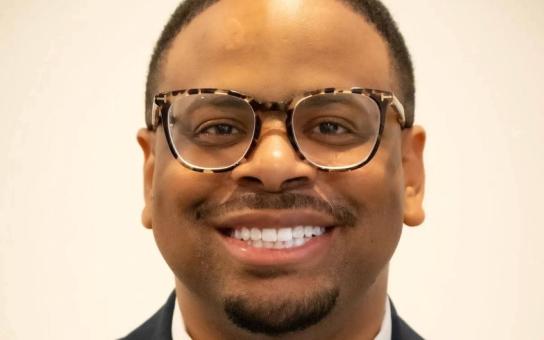
The University’s faculty left a lasting impression. One of her most influential professors was St. Clair Drake, one of Roosevelt’s first African American faculty members and a pioneering scholar of Sociology and Anthropology. Boyd didn’t fully realize the weight of his legacy until years later, when her daughter reminded her of his renown. “She said, ‘Mom, he was the epitome of excellence,’” Boyd said with pride. Boyd’s daughter, Dr. Michelle Boyd has made a name for herself as a professor of African American Studies and Political Science, while also founding InkWell Academic Writing Retreats, “where she helps scholars become the writer they already are.”
She also recalled how Roosevelt professors genuinely cared about their students. “They were always willing to work with you if you needed extra tutoring—without any fanfare. That was rare, especially for African American students,” Boyd reflected. “Roosevelt was a different world from a lot of other places.”
Although student organizations were less prominent during her time, Boyd found community through friendships and social outings. She laughed as she described a favorite hangout, a North Avenue bar called Chances Are. “It was a different time,” she said, smiling.
For Boyd, Roosevelt was more than a school—it was a place that shaped lifelong connections. She remains close with fellow alumni, including a couple she befriended during her studies. “We were very, very close,” she said. “They became like family to me.”
Beyond academics, Roosevelt’s downtown campus cultivated her love for Chicago. Boyd fondly remembered wandering through Grant Park, discovering the Blue Angels air show by surprise, and soaking in views of the lake. Even today, she says, “I could die a happy woman if I could look out and see this every day.”
Now retired as a computer scientist Hewlett-Packard, Boyd has relocated to Ellicott City, Maryland. Her life after Roosevelt has been full of joy and challenges. She built a career, raised a family and nurtured enduring friendships. Though she recently faced profound personal losses, she carries with her the values of resilience and gratitude. Quoting Dr. Seuss, she reflected, “Don’t cry because it’s over, smile because it happened.”
As she revisited Roosevelt, Boyd found comfort in seeing that the spirit of the University remains the same. “It’s wonderful to hear that professors still step in for students the way they did for me,” she said. “That kind of care can change the course of a life.”